Required security measures in place for public spaces
Martyn’s Law aims to make public venues better prepared and more responsive to potential threats. The law would set different requirements based on the size and nature of the venue, ensuring that all premises, from small events to large arenas, take necessary security precautions to protect members of the public.
Applies to smaller venues with a capacity of more than 199 and upto 799 people, with simpler, lower-cost requirements to the venue.
Applies to venues with a capacity of 800 people or more, requiring more comprehensive security measures.
All venues that fall within the scope of the legislation will need to have in place, so far as is reasonably practicable, public protection procedures. Procedures will include at least:
All venues falling within scope of the act will require a responsible person and should notify the SIA (Security Industry Association), as the regulator. For qualifying premises, the responsible person is the person who has control of the premises in connection with their relevant use. As an example, an education facility, the responsible person may be the board of governors, or the person directed by them. Additional details can be found here.
Businesses must conduct and document a thorough risk assessment for their venues to identify potential vulnerabilities, evaluate the likelihood of various threats, and develop strategies to mitigate those risks. This process involves analysing both internal and external factors that could impact business operations, ensuring that protective measures are in place to safeguard assets, employees, and customers.
By prioritising risk management, businesses can enhance resilience and maintain continuity in the face of unforeseen challenges.

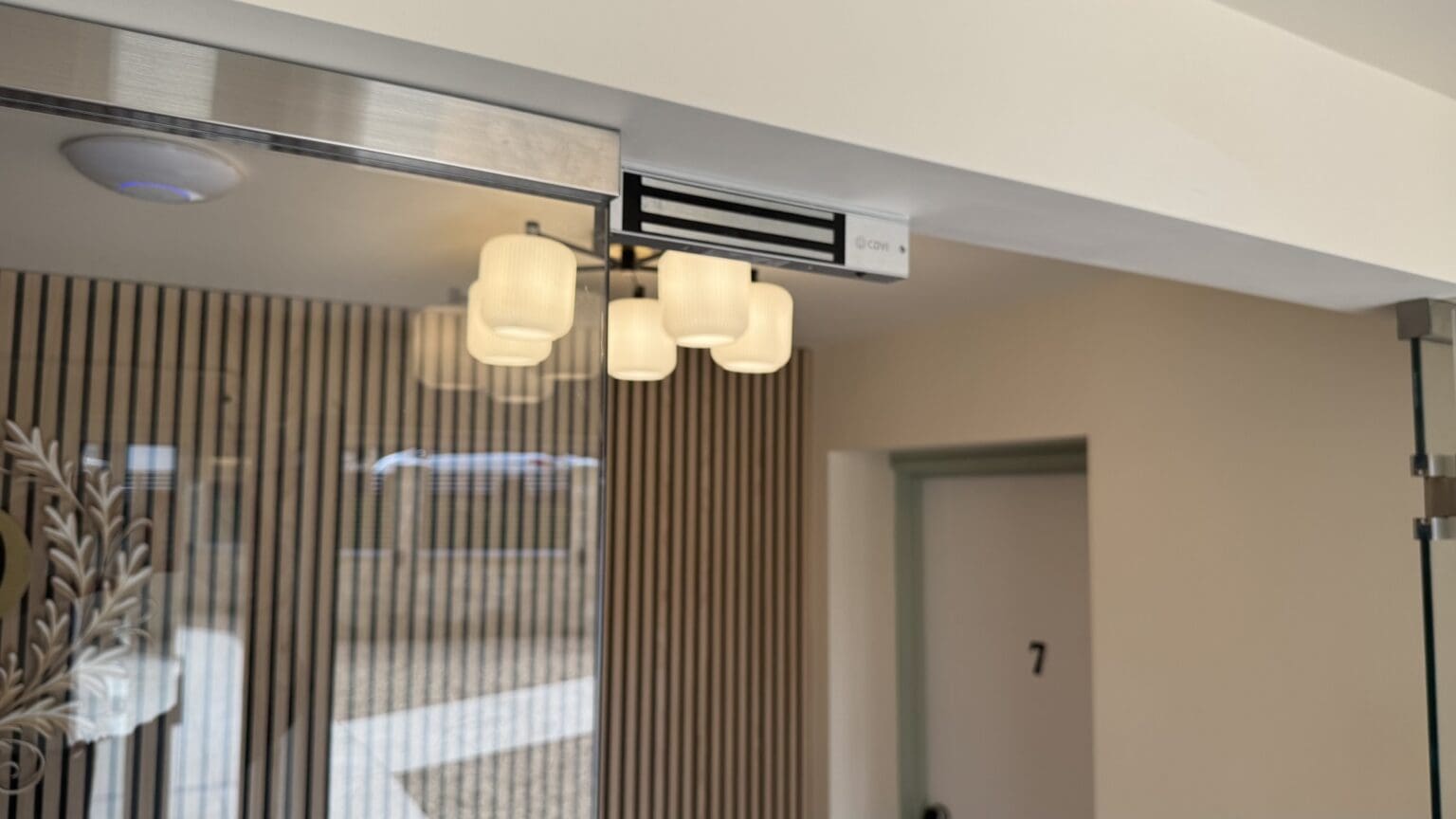
Based on the risk assessment, businesses and venues will need to implement appropriate security measures tailored to their specific needs. This will most likely include some form of Lockdown System, preventing access to the premises when under threat. It could also include additional physical security enhancements such as CCTV surveillance systems that provide real-time monitoring and data analysis. Additionally, businesses might consider cybersecurity measures to protect sensitive information, training programs to ensure staff are equipped to handle security threats, and regular audits to assess the effectiveness of these measures. These steps are crucial to creating a safe and secure environment for both employees and customers.
Businesses must ensure that staff are trained in recognising and responding to potential threats. This includes understanding how to evacuate safely and how to assist emergency services during an incident.
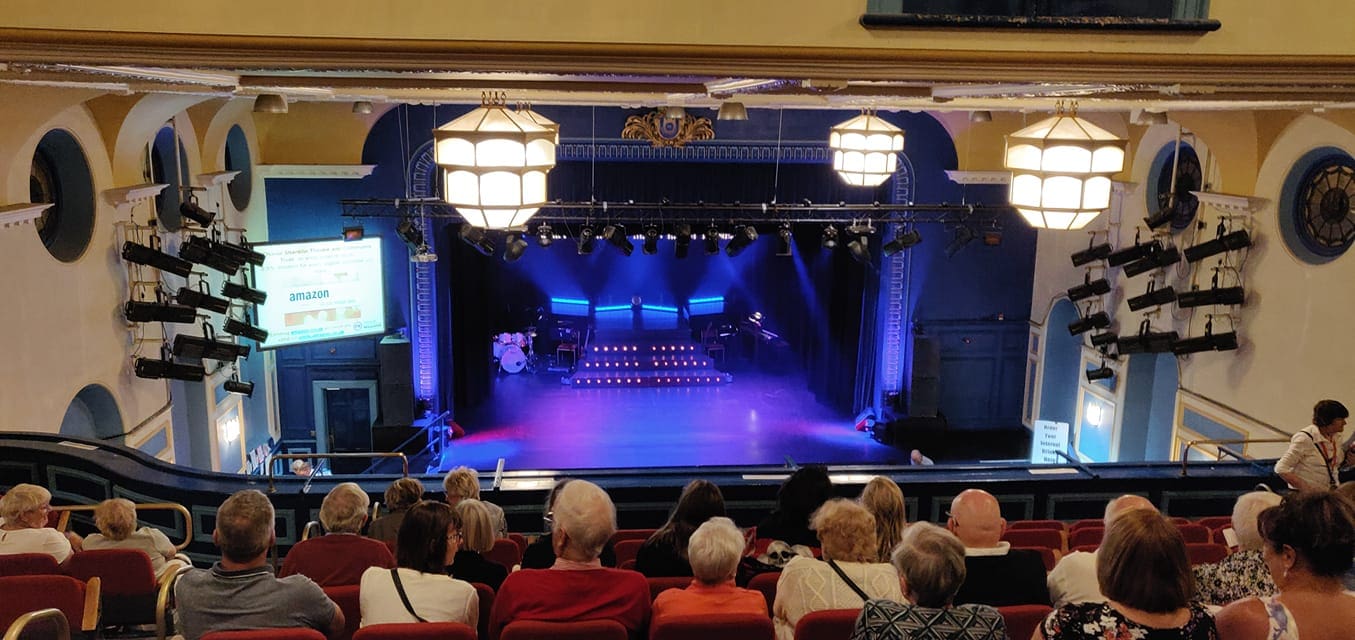

In today’s complex and interconnected world, there may be requirements for clear communication strategies to effectively inform the public about security procedures. These strategies are crucial for ensuring that individuals are well-prepared and understand the necessary steps to take in case of an emergency. By providing detailed guidelines and regular updates through various channels such as social media, public announcements, and community outreach programs, authorities can foster a sense of confidence and readiness among the populace. This proactive approach not only helps to minimize panic and confusion during critical situations but also empowers people to act promptly and appropriately, safeguarding themselves and others.
Authorities may have powers to enforce compliance by conducting inspections, issuing fines, or taking legal action against businesses that fail to meet the required standards. These penalties can vary in severity depending on the nature of the non-compliance, ranging from monetary fines to operational restrictions or even closure of the business. In some cases, authorities may also provide guidance and support to help businesses achieve compliance, emphasizing the importance of adhering to regulations to ensure safety, quality, and fairness in the industry.

Our longstanding relationships with our close colleagues in the fire and security industry, means we are in prime position to offer solutions for every situation, large or small. Whether this is voice announcement, lockdown system or audio alert, Lifeline Alarm Systems has a solution for your venue. Our local knowledge means we understand your venue, location, risk, and the right solution.

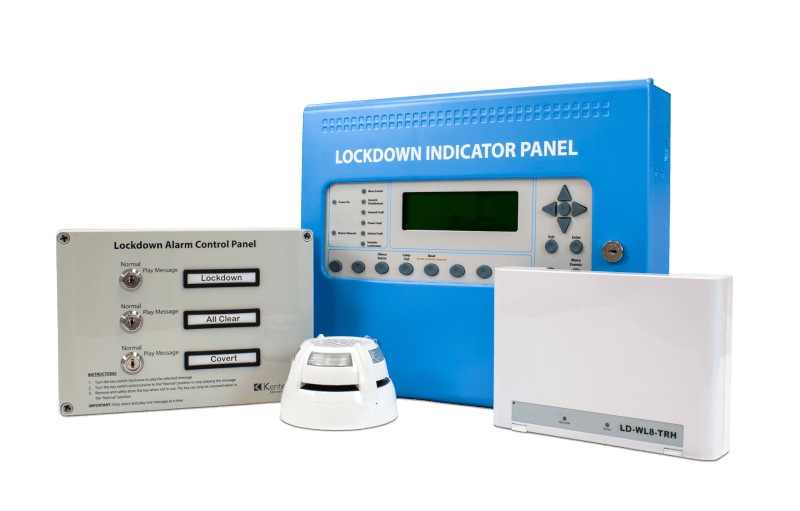
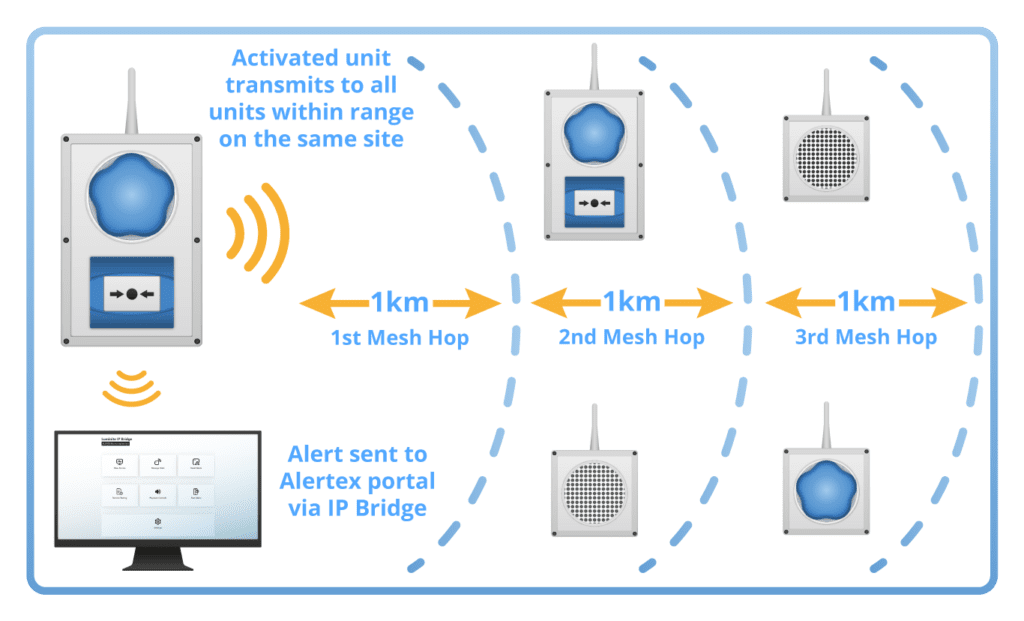
Kentec’s Wireless Lockdown Notification System provides a fast, effective, and reliable way to protect people in public and private buildings. Built on trusted K-Mesh technology.
Provides a central point for the user to manually activate the relevant lockdown message via operation of a key switch. Capable of activating three different message types i.e. Lockdown, Covert, All Clear. The system supports two Lockdown Alarm Control Panels for separate locations of control.
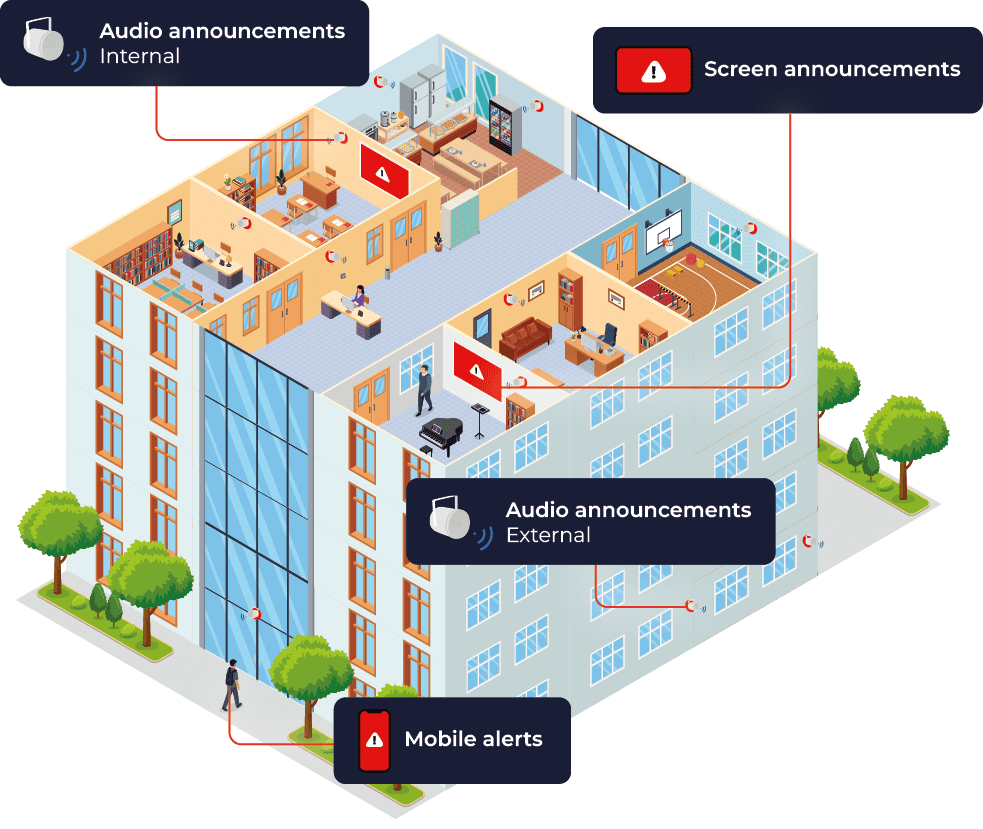

Designed for larger applications such as secondary schools and colleges, Audiebant delivers tailored communications to different parts of the school or college for accurate, location-specific responses.
Leading lockdown, safeguarding & mass communication provider. Audiebant provides a fit for purpose mass communication zoned system. Class Bell Changeover. Safeguarding Announcement. Zoned Mass Communications. Evacuation & Invacuation.

The ALERTEX Lockdown system from Luminte is a wireless critical alert system, designed to give a clear alert in the event of an activation. Lockdown units are visually and audibly distinct from fire alert units to minimise disruption and confusion.
Lockdown units comply with current guidelines from NaCTSO, which state that ‘the activation of the fire alarm to initiate evacuation should be avoided to reduce the possibility of an incorrect response’.
Martyn’s Law emerged from a campaign led by Figen Murray, the mother of Martyn Hett, who was killed in the 2017 Manchester Arena bombing, amongst others. The attack highlighted the gaps in security of public venues, and the need for legal requirements to ensure that such places take safety precautions.
According to Government data, there have been 14 terror attacks in the UK since the start of 2017. Martyn’s Law aims to enhance the safety and security of public venues and ensure they take the necessary steps to mitigate threats.
Martyn’s Law is expected to pass during the 2024 parliamentary session, with full implementation likely in 2025, giving businesses and venues enough time to prepare and comply with the new regulations.
Dedicated guidance and support will be provided from the government for Martyn’s Law to help businesses comply without undue burden.
A Regulator will monitor compliance and advise premises. The Regulator will have powers to investigate and issue fines for non-compliance.
The proposed legislation will impact qualifying public premises and public events. Those responsible may be individuals, but in most cases, would be a business or organisation.
Conditions for premises would be that they have a capacity of more than 100 people and are wholly or mainly used for a listed public purpose like entertainment and leisure, retail, food and drink, theatres, museums and galleries, sports grounds, government buildings and more.
For businesses, especially those managing large public spaces such as arenas, shopping centres and entertainment venues, Martyn’s Law will mean a significant shift in how they approach security. They may need to:
Businesses will need to balance the costs and operational impacts of these new requirements with the need to ensure public safety. The legislation will likely require a proactive approach to security, making it a critical consideration in daily operations.
You can find more information about Martyn’s Law and its progress by visiting GOV.UK. They have published a useful factsheet here.
A standard tier may undertake a lower-cost, simple but effective process:
An enhanced tier will need to undertake a risk assessment and may entail the following measures:
Dedicated statutory guidance